
BLOG

Every Detail Matters: The Small Things That Help Make Your Dental Visit More Comfortable, Safer, and More Precise
When people think about dentistry, they usually focus on the final result — a healthy smile, a beautiful restoration, or a successful implant. At Family Holistic Dentistry, we think about every step that helps you get there. Here's a look at some of the small tools and techniques that make your visit more comfortable, safer, and more precise.
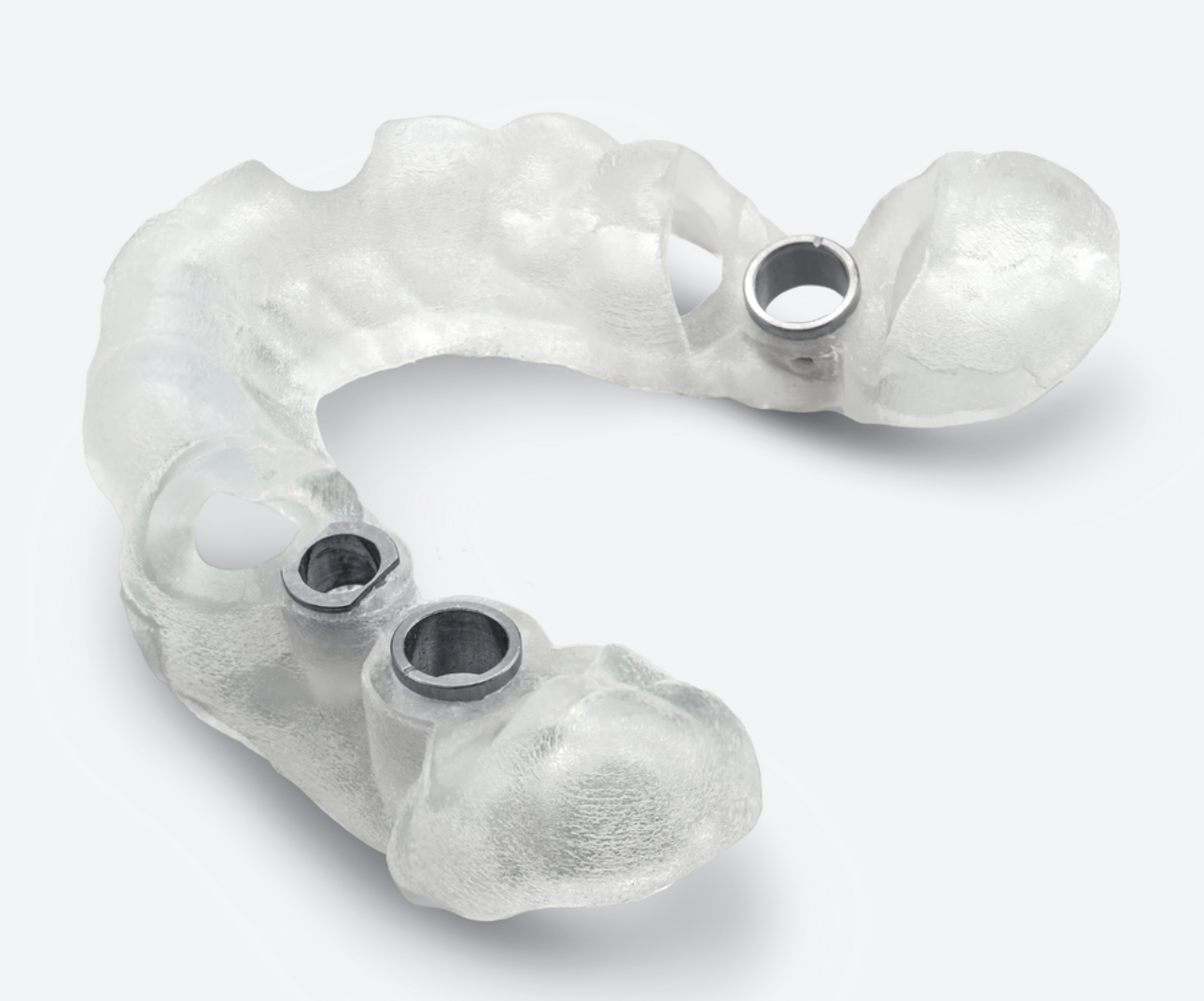
How We Plan Guided Implant Surgery
"How do you know exactly where to place the implant?" It's one of the most common questions we hear — and the answer starts long before the day of surgery. Here's a look at how we plan every ceramic implant procedure using 3D imaging, digital impressions, and a customized surgical guide, so every detail is worked out well in advance.”
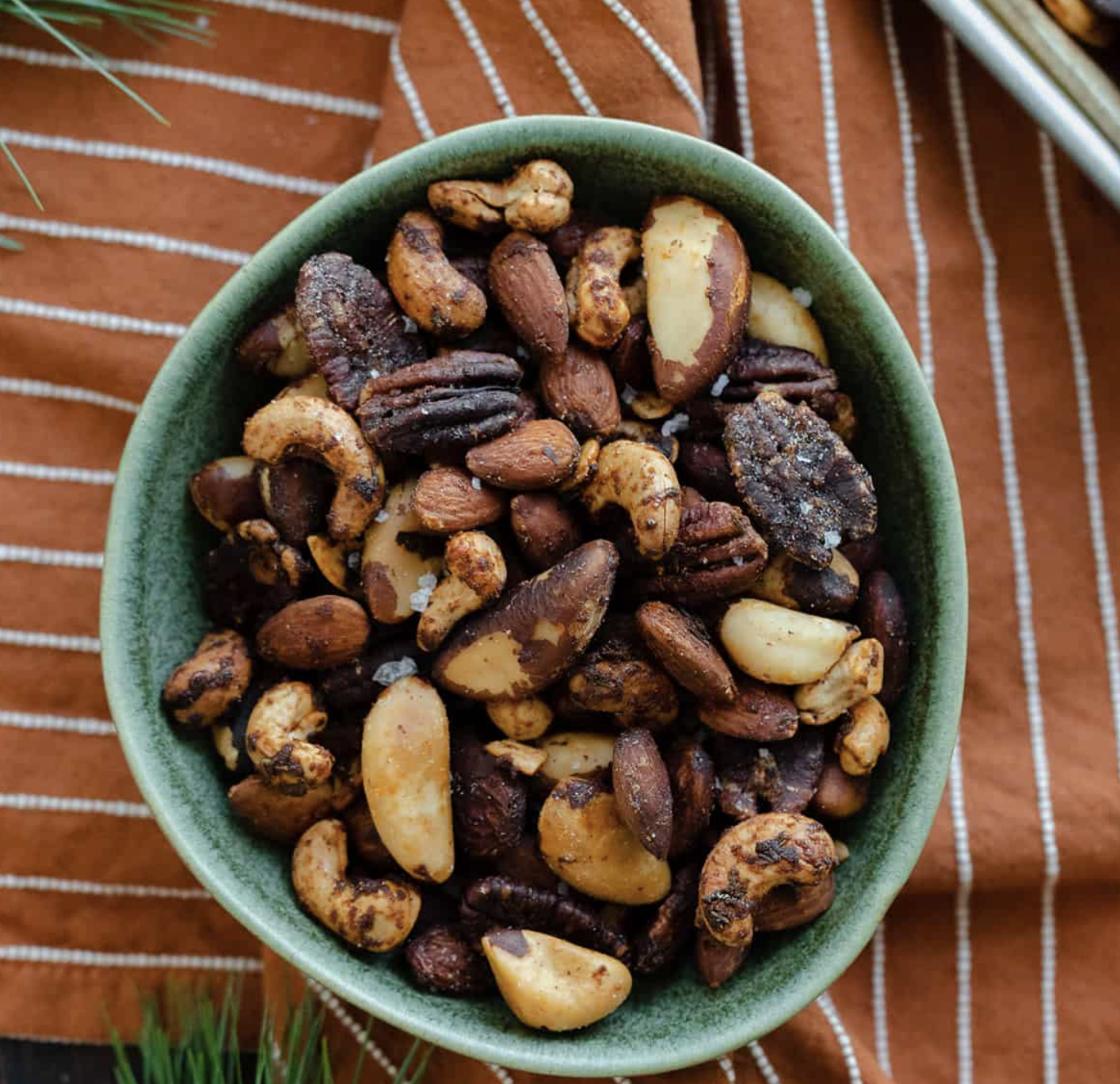
Are Nuts Bad for Your Teeth? What You Need to Know?
"Sugar isn't the only threat to your teeth—texture matters too. Hard nuts, while packed with nutrients, can chip teeth, crack fillings, and stress crowns. Here's how to enjoy their health benefits without risking your smile."

Is Dried Fruit Healthy for Your Teeth?
Dried fruit can be nutritious—but it deserves a closer look. Many people choose it because it's portable, convenient, and full of fiber, vitamins, and minerals. But from a dental perspective, dried fruit behaves very differently than fresh fruit.
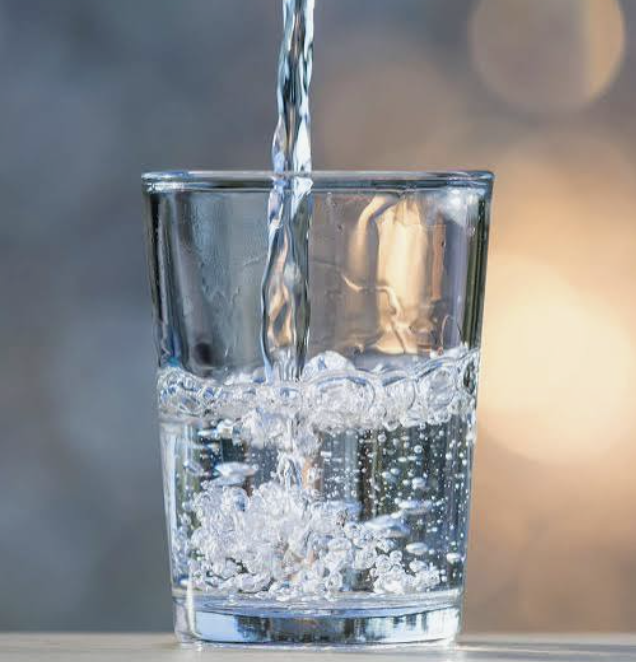
Water and Your Teeth: Does pH Matter?
When patients ask me which water to drink, my answer is usually the same: I'm less concerned about the brand than I am about understanding a few simple principles. One of those principles is pH — and it turns out to matter more for your enamel than most people realize.
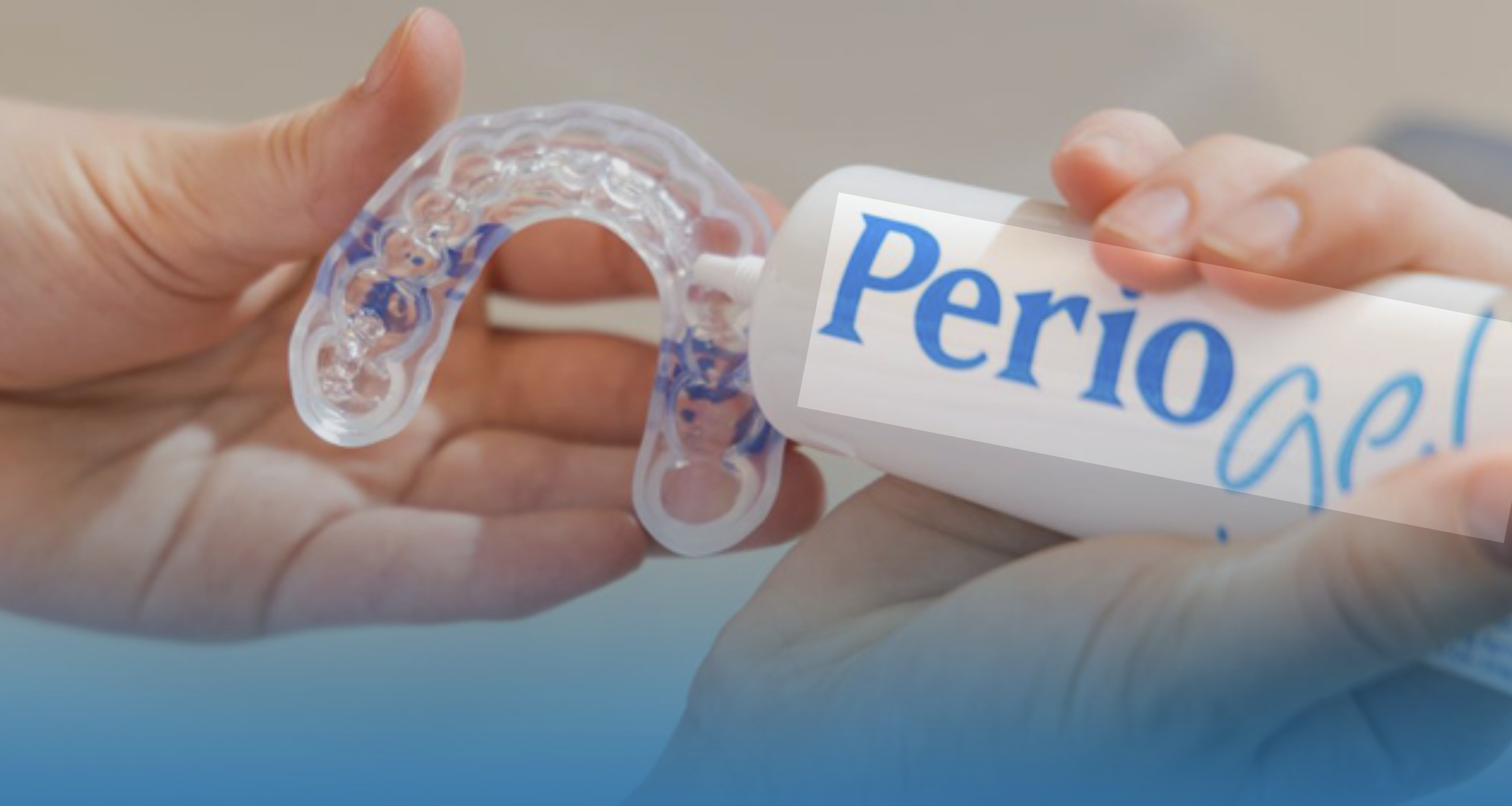
The Science Behind Perio Protect: How We Treat Gum Disease at the Source
Excerpt:
If you've ever wondered why brushing and flossing well still isn't always enough to fully resolve gum disease, there's a good reason for that — and it comes down to where the problem actually lives. Deep in the pockets between your gums and teeth, out of reach of any toothbrush, the bacterial environment shifts toward something more damaging. Here's how Perio Protect reaches that space directly, and what the science says about why it works.
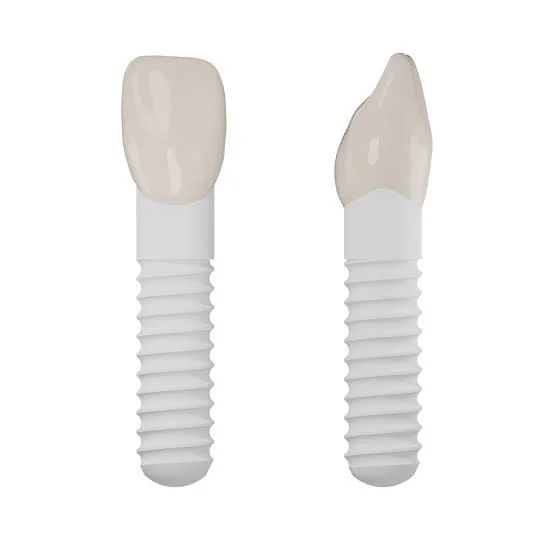
What the Research Says About Ceramic Implants:
"Is there actual research behind this, or is it just newer technology people are trying?" It's one of the first questions I hear when patients ask about ceramic implants — and it deserves a real answer. Here's an honest look at the peer-reviewed research behind the ceramic implant system I use, including where it's strong and where more data is still needed.
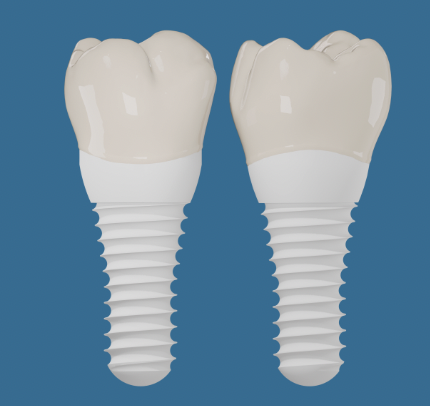
How to Care for Your Dental Implant: Simple Daily Habits That Can Help It Last for Years
Dental implants can last for years, but daily home care makes all the difference. Here are the simple habits I recommend to my patients for keeping implants healthy for the long term.

Your Guide to Choosing Dental Floss
Flossing takes a few minutes, costs almost nothing, and reaches what your toothbrush never will. Here's what I actually look for in a floss, why gum health matters more than most people realize, and the one spot almost everyone forgets to clean.
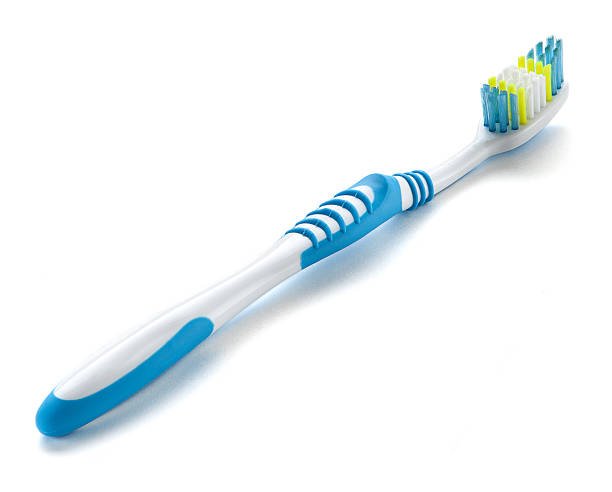
How to Choose the Right Toothbrush: A Dental Perspective
The best toothbrush isn't about flashy marketing; it's the tool that helps you effectively remove plaque while remaining gentle on your gums. Whether you choose manual or electric, the most important factor is mechanical cleaning through consistent, proper technique. Avoid excessive force, as extra pressure causes enamel wear rather than cleaner teeth. Ultimately, the right brush is the one tailored to your unique needs for long-term health.
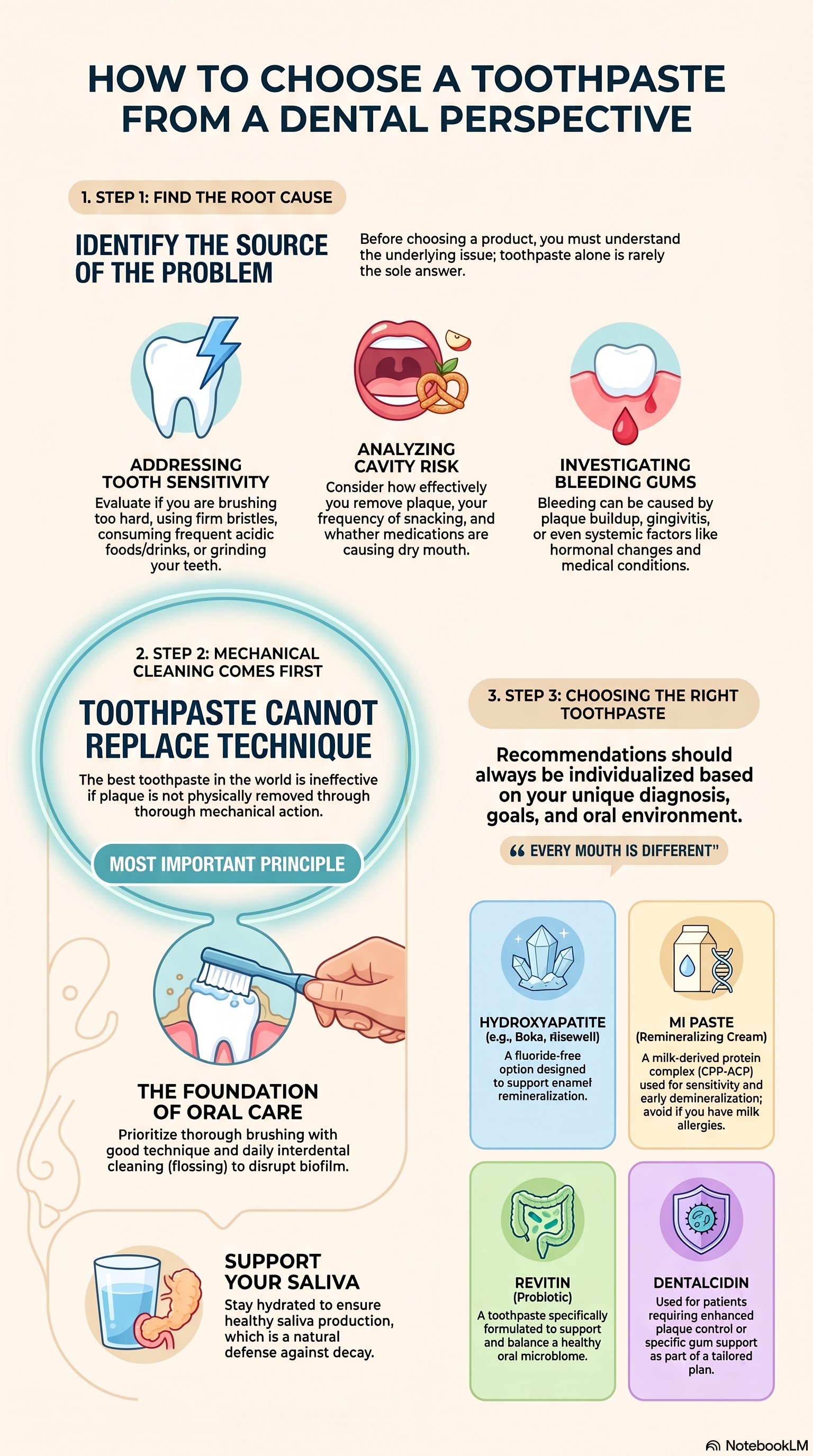
How to Choose the Right Toothpaste: A Dental Perspective
What's the best toothpaste?" It's one of the questions I hear most in practice, and the real answer starts before you ever pick up a tube. Here's the three-step approach I walk patients through to find what actually works for their mouth.
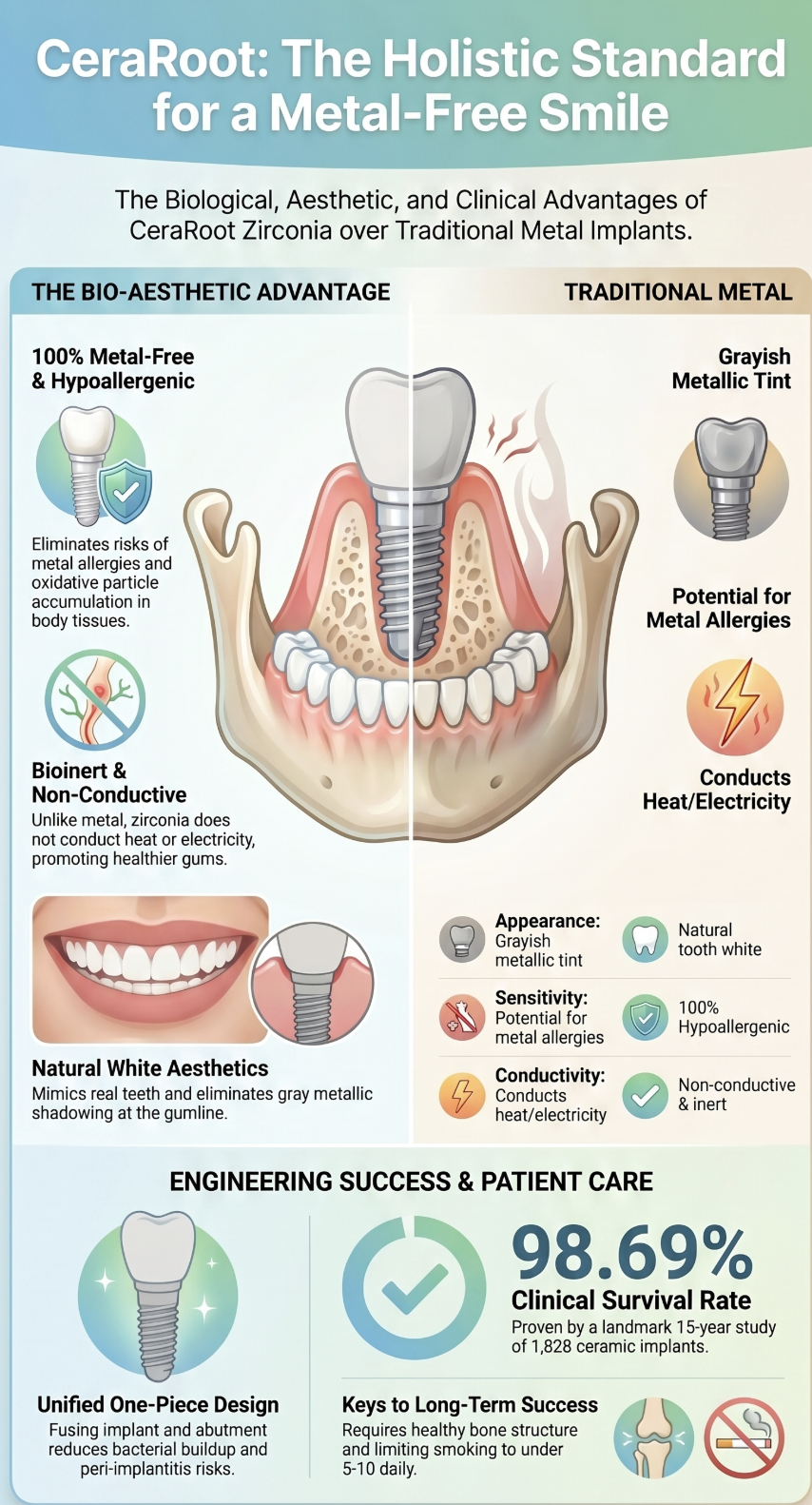
Ceramic Implants
This video highlights CeraRoot zirconia implants as a superior, metal-free alternative to traditional titanium. It emphasizes their exceptional biocompatibility and hypoallergenic properties, which are crucial for patients with chemical sensitivities. Aesthetically, these implants provide a natural white appearance, avoiding the gray shadowing common with metal systems The one-piece design is praised for reducing bacterial buildup and the risk of peri-implantitis. Clinical data confirms a 98% long-term success rate, demonstrating reliable osseointegration Ultimately, the video presents these ceramic implants as a durable, holistic solution that promotes optimal oral and systemic health
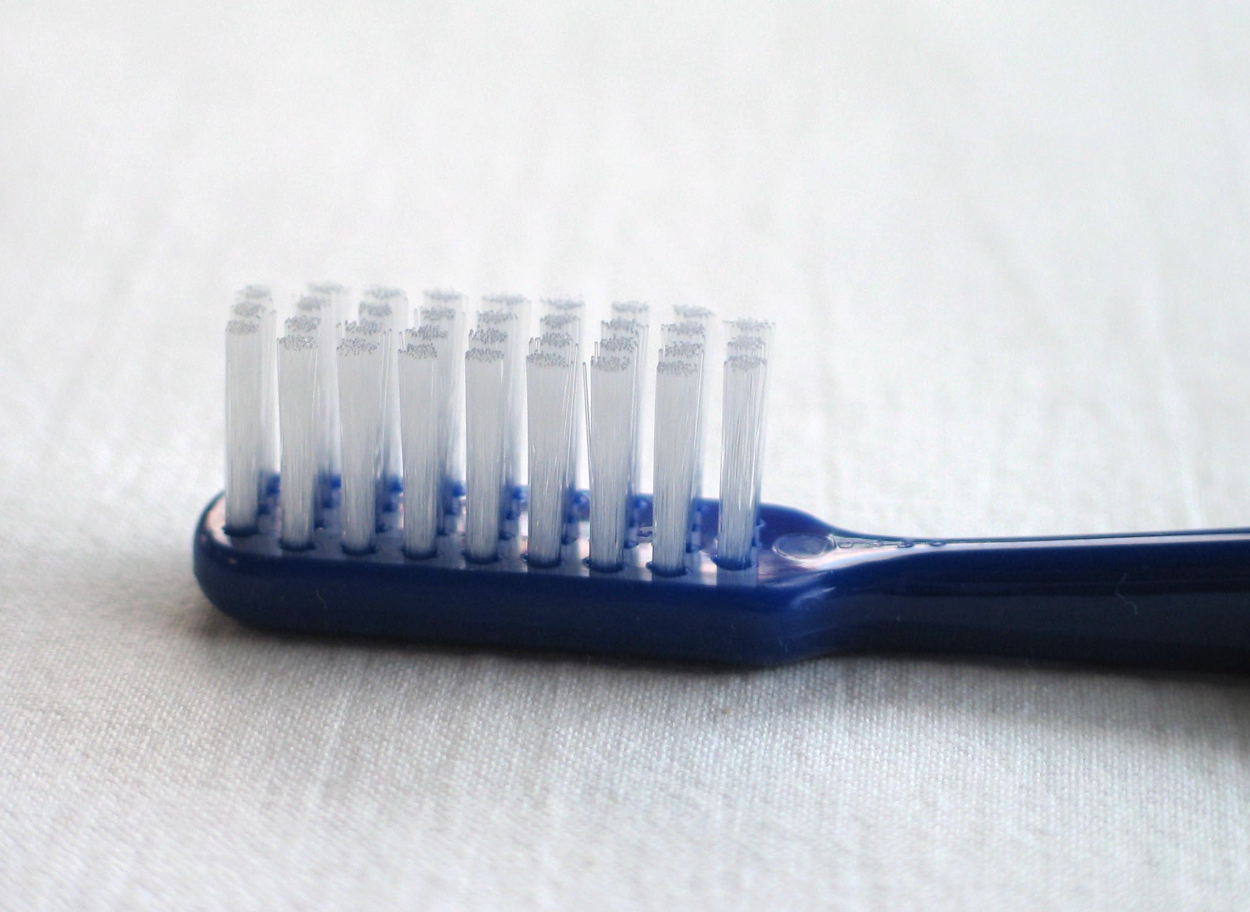
The first thing you do in the morning matters more than you might think
While you sleep, the bacteria in your mouth are quietly at work. By morning, hours of buildup are ready and waiting. What you do in the first few minutes after waking up can make a real difference for your teeth, your gums, and your whole-body health. Here is why brushing first thing is one of the simplest habits you can build for long-term wellness.
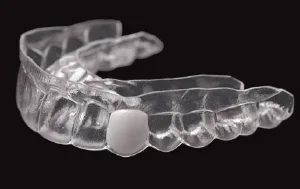
Essix Retainer After Extraction: Why We Use It and How to Care for It
After a tooth extraction, protecting the healing site is essential. An Essix retainer helps shield the area, maintain tooth position, and support proper healing. Learn why we use it and how to care for it.
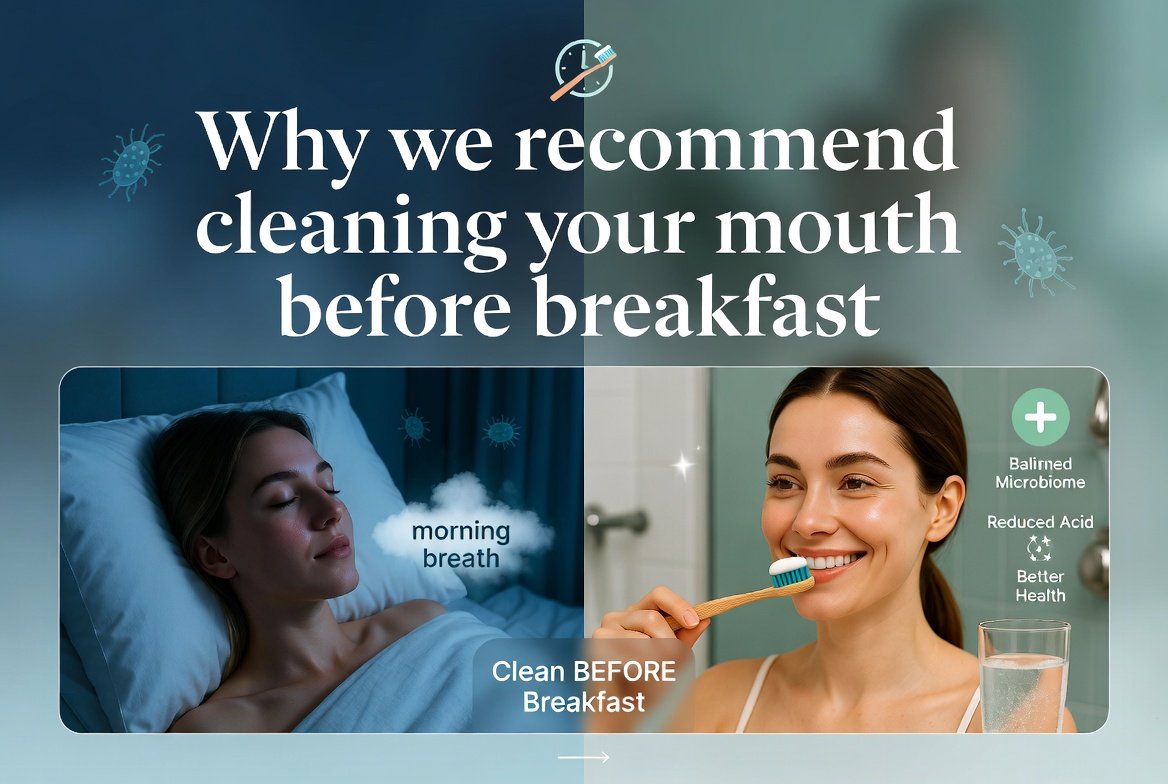
Why we recommend cleaning your mouth before breakfast
Cleaning your mouth first thing in the morning with a quick rinse and brush removes this overnight buildup, lowers acid production when you eat, and supports a healthier oral microbiome for better gum health and overall wellness.
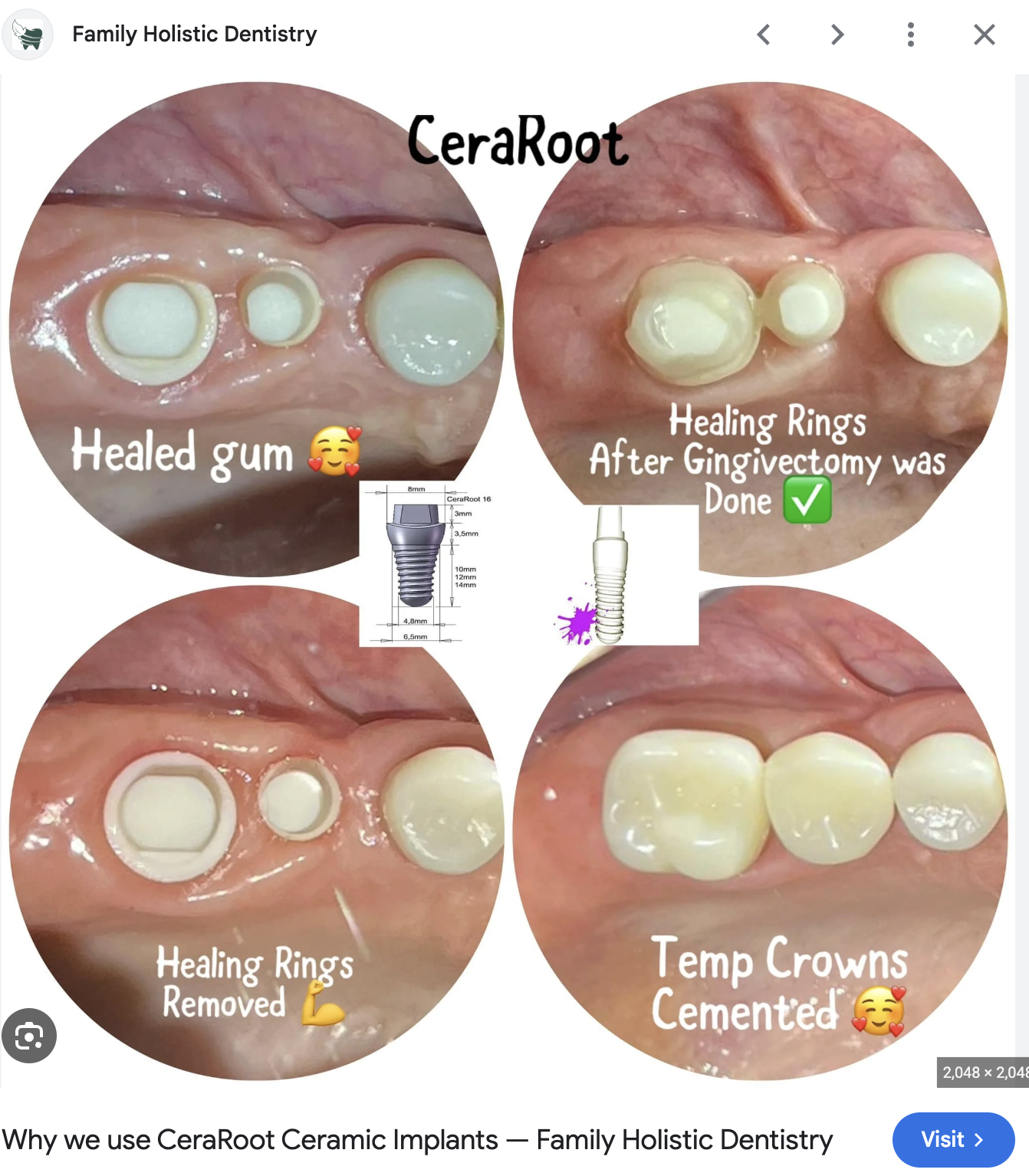
Why It Matters That Ceramic Implants Don’t Corrode
As dental implant materials have advanced, one key difference has become increasingly important: ceramics do not corrode the way metals can. This stability helps support long-term tissue harmony and provides a clean, metal-free alternative for patients who prefer inert materials. Here’s a closer look at why corrosion resistance matters and how modern ceramic implants were developed.

The Wand: A Gentle, Virtually Painless Way to Numb a Single Tooth
Discover a calmer, more comfortable dental experience with The Wand—a computer-controlled system that delivers virtually painless single-tooth anesthesia. By numbing only where it’s needed, The Wand eliminates the sting of traditional injections and helps you leave the office without numb lips, drooping cheeks, or lingering discomfort.

Why We Use Biomimetic and Autogenous, Non-Cadaver Bone Grafts
We take a biologically mindful approach to bone grafting, using either an autogenous graft from the patient’s own bone or a biomimetic tricalcium phosphate graft instead of cadaver material. This method supports natural healing, preserves bone health, and reflects our commitment to safe, ethical, and holistic dentistry.

Why We Graft After Wisdom Tooth Removal
Grafting after wisdom tooth extraction protects against low bone density and future bone loss around the second molar. Our non-cadaver, biomimetic tricalcium phosphate graft supports your body’s natural bone regeneration — keeping your jaw strong, healthy, and free of bacterial buildup.

Tips For Better Oral Health
Dr. Carmen Burke discusses better ways to improve oral health.