How to Care for Your Dental Implant: Simple Daily Habits That Can Help It Last for Years
One of the most common questions I hear is:
"How long will my dental implant last?"
My answer is usually the same:
"How well are you willing to take care of it?"
Many factors influence the longevity of an implant, including your overall health, your bite, and regular professional maintenance. But your daily home care plays an important role too, and it's one of the few parts of the process that's entirely in your hands.
1. Brush Twice a Day
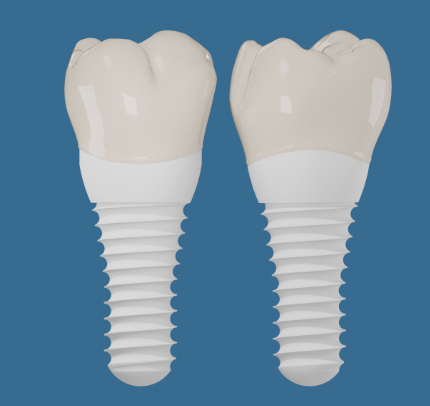
A dental implant can't get a cavity, but plaque can still accumulate around it. Brushing every morning and before bed helps remove that plaque before it has a chance to irritate the gums.
The goal isn't just a clean implant. It's healthy tissue surrounding it.
2. Start with an End-Tuft Brush
One of my favorite tools for many implant patients is an end-tuft toothbrush, sometimes called an N-Tuft brush. Unlike a regular toothbrush, its small pointed head can often reach areas around the gumline more easily.
For many patients, I recommend gently angling the brush toward the gum where it meets the implant crown. My technique is simple:
Gently touch the gum, then clean. Touch, then clean.
This helps remove plaque from the gumline while gently stimulating the tissues. Healthy gums are an important part of maintaining healthy implants.
Because every patient is different, your dentist or hygienist can show you the best technique for your specific implant.
3. Floss Every Day
Brushing alone doesn't clean between teeth or implants. Daily flossing, or another recommended interdental cleaner, is an important part of removing plaque in areas your toothbrush can't reach.
4. A Water Flosser May Be Helpful
Many patients also benefit from a water flosser. Used correctly, it can help flush food particles from around implants and bridges. It doesn't necessarily replace brushing or flossing, but for some patients it's a useful addition to their routine.
5. Rinse with Water Throughout the Day
After meals, especially when brushing isn't possible, simply rinsing your mouth with water can help wash away food debris and dilute acids. It's a small habit, but it supports a healthier oral environment throughout the day.
6. Be Mindful of Your Diet
Frequent acidic drinks and sticky foods can contribute to plaque buildup and make oral hygiene more challenging. A balanced diet and good hydration support both your oral health and your overall health.
7. Mouthwash Isn't the Foundation
Good mechanical cleaning is still the most important part of implant maintenance. Mouthwashes may have a role in certain situations when recommended by your dentist, but they shouldn't replace brushing, flossing, and hands-on plaque removal.
8. Protect Your Implant While You Sleep
If you clench or grind your teeth, your dentist may recommend a custom night guard. Reducing those excessive forces can help protect both your implant restoration and your natural teeth.
9. Don't Skip Your Maintenance Visits
Even when everything feels fine, regular professional exams allow your dental team to monitor the health of your gums, check your implant, and catch any concerns early. Prevention is almost always easier than treatment.
Our Philosophy
At Family Holistic Dentistry, we believe placing an implant is only part of the journey. Teaching patients how to care for it is just as important.
We don't just place implants. We help our patients understand how to make them last.