Are Nuts Bad for Your Teeth? What You Need to Know?
It's not always about sugar.
When most people think about protecting their teeth, they think about sugar. But another important factor is texture. Some foods are extremely healthy for your body but can place considerable force on your teeth. One example is very hard nuts.
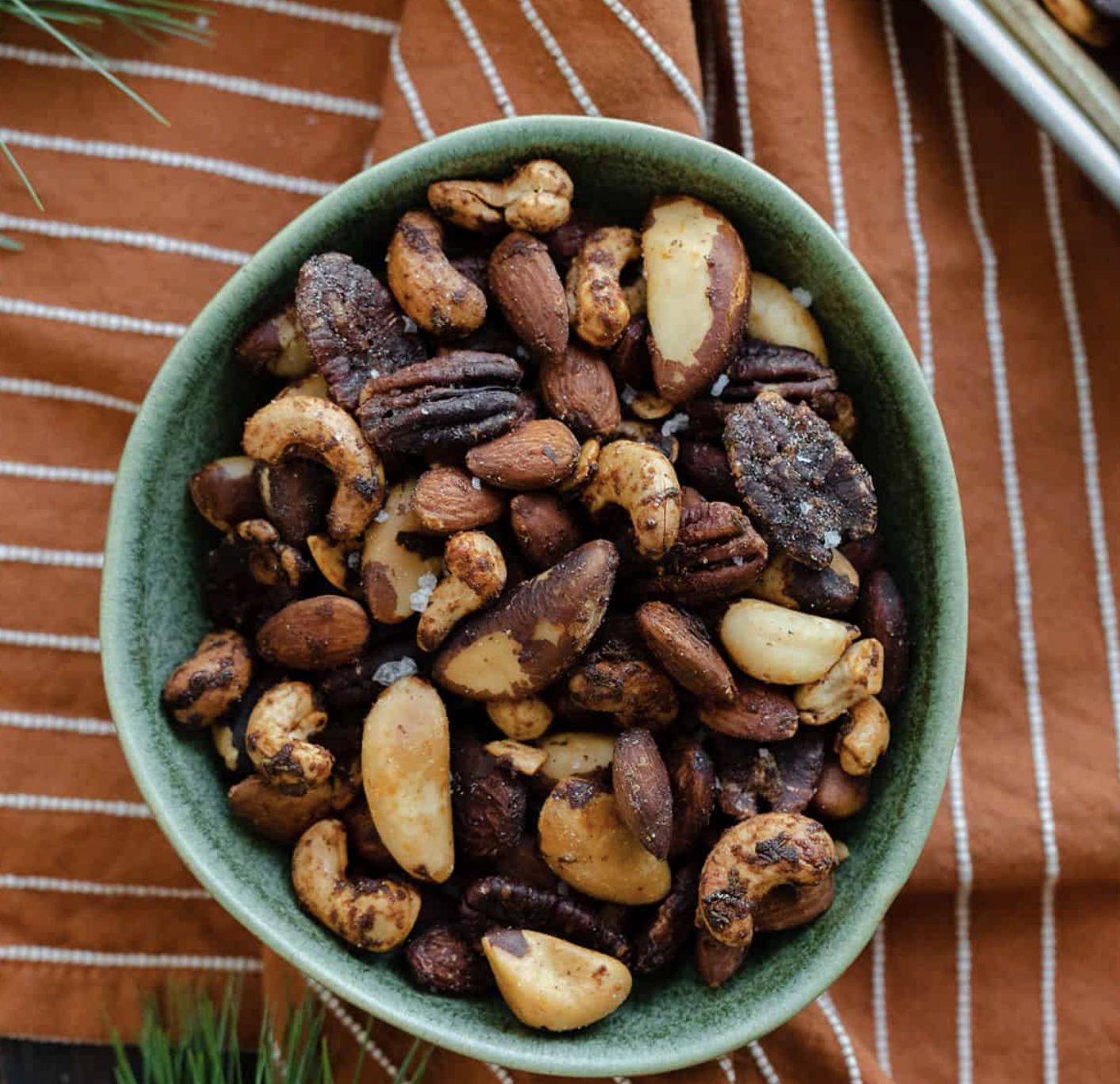
Why texture matters
Every time you chew, your teeth absorb force. Healthy teeth are designed to handle normal chewing, but very hard foods may increase the risk of:
Chipped teeth
Cracked teeth
Damaged fillings
Fractured crowns
Worsening small cracks that already existed
The risk is often greater in teeth that have:
Large fillings
Crowns
Previous root canal treatment
Signs of grinding and clenching
What is a cracked tooth?
Many cracks begin so small that you don't notice them. Some remain stable for years. Others can gradually become larger with repeated heavy biting forces.
If a crack progresses, it may cause:
Pain when chewing
Sensitivity
A broken cusp
In some cases, allow bacteria to reach the inner part of the tooth, increasing the risk of infection
Should you avoid nuts?
Not at all. Nuts provide healthy fats, protein, fiber, vitamins, and minerals. Instead of avoiding them, think about changing the texture. You might:
Soak certain nuts overnight
Blend them into smoothies
Choose natural nut butter
Chew carefully rather than biting down aggressively on the hardest pieces
Who should be especially careful?
Extra caution may be helpful if you have:
Large fillings
Porcelain crowns
Worn teeth
Cracked teeth
Dental implants
A history of clenching or grinding
Our philosophy
At Family Holistic Dentistry, we don't believe healthy eating and healthy teeth should compete with each other. Sometimes a small adjustment in how you eat a food can help protect your teeth while still enjoying its nutritional benefits.
Bottom line
Healthy food choices are important—but so is protecting your teeth from unnecessary stress. Understanding how texture affects your smile can help you make informed decisions that support both your oral health and your overall well-being.